

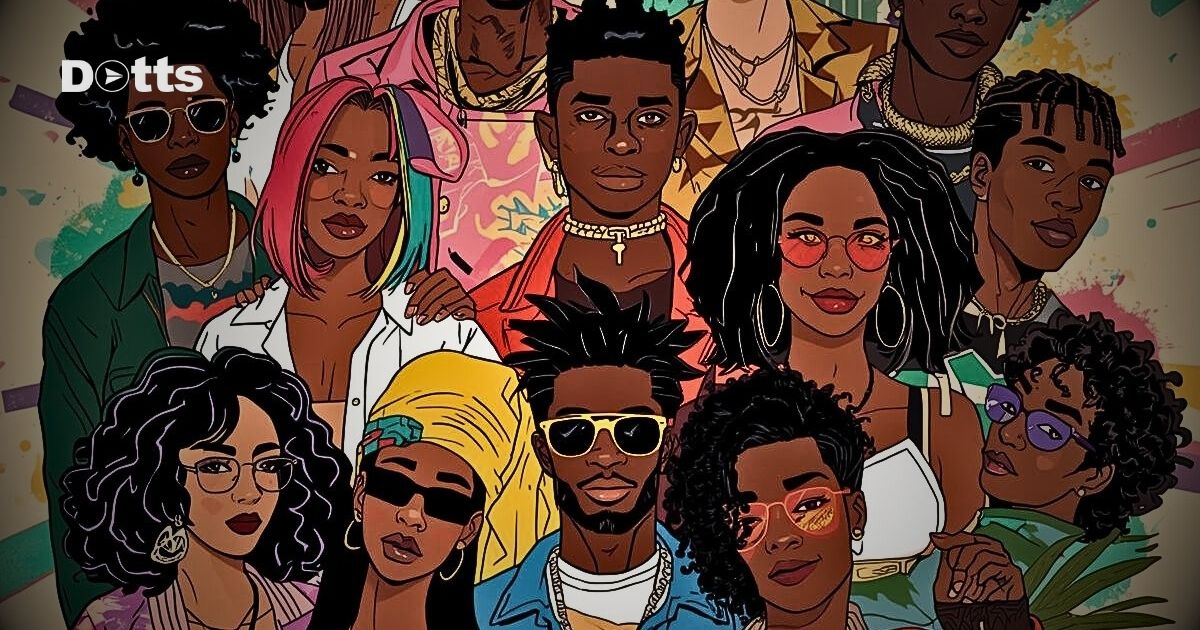
Gen Z controls purchasing power that most brands are leaving on the table. In Kenya alone, Gen Z spending is projected to reach KSh 4.4 trillion (approximately US$34 billion) by 2025, making them the largest consumer group by generation. However, despite this economic dominance, brands across Africa continue to operate according to outdated playbooks. They use spray-and-pray marketing tactics, corporate-speak messaging, and celebrity endorsements that fall flat. The disconnect is not ambiguous.
According to eMarketer research, brands are fundamentally misunderstanding how to connect with this generation. The frustration is mutual. Gen Z consumers perceive most marketing as inauthentic, intrusive, and completely disconnected from their actual lives.
The problem is systematic, but so are the solutions. DottsMediaHouse has spent the last decade working with Africa-focused brands to crack the Gen Z code, and the patterns have become clear. Essentially, brands encounter roadblocks not because they lack resources but rather because they refuse to listen to what the Gen Z audience actually wants.
Unknown Mistakes Brands Make When Marketing to Gen Z
Connecting with Generation Z requires more than being present on their platforms. You have to understand how to appeal to them. Let’s see some of the mistakes you could be making when marketing to the African Gen Z consumers.
Mistake 1: Prioritising Reach Over Authentic Connection
The oldest error in Gen Z marketing playbooks remains the loudest: brands obsess over follower counts while ignoring engagement quality entirely. A brand collaborating with a celebrity influencer boasting 500,000 followers might generate 2,000 interactions per post, translating to a 0.4% engagement rate. Meanwhile, a micro-influencer with 12,000 followers generates 600 engagements, yielding a 5% engagement rate.
Research indicates that 57% of African Gen Z consumers report they are likely to make a purchase based on recommendations from creators with smaller, closely connected communities. This clearly reveals that authenticity will always win over virality.
Mistake 2: Dread Being Authentic
Brands create carefully curated, perfectly polished content, which is the opposite of what Gen Z actually engages with.
According to research from UTA Marketing’s Next Gen Practice, Gen Z possesses a remarkable ability to detect inauthenticity within six seconds or less. They perceive overly polished content as corporate manipulation. Therefore, raw, slightly imperfect content that feels genuinely made rather than professionally produced performs dramatically better.
When marketing to the Gen-Z audience, the best approach is to tap into cultural relevance and trends that uniquely promote your products or services. You can leverage the social media savvy Gen-Z on your team to monitor trends and create content accordingly. Alternatively, collaborating with a reputable agency like DottsMediaHouse will help you connect to the right influencers and oversee the organic execution of your digital marketing campaign.
This approach requires surrendering to being overly controlling, which terrifies most marketing departments. However, it is a sure-fire way to deliver measurable engagement and conversions in the present digital era.
Mistake 3: Overlooking Platform-Specific Optimisation
Brands post identical content across TikTok, Instagram, and Facebook without understanding that each platform operates according to entirely different algorithms. Based on our observation and research, we discovered that brands often work too slowly to capitalise on trends before they become irrelevant.
Also, some brands fail to recognise that certain content formats thrive better on specific platforms. A captivating carousel post that performs well on Instagram may become invisible on TikTok, where short-form video dominates. Similarly, a trending hashtag relevant yesterday can become cringeworthy today.
TikTok content emphasised dance challenges and trend participation. Instagram Reels and feed posts focus on aesthetic storytelling, while Facebook content leverages community discussion and longer-form videos. On the other hand, YouTube is perfect for long-form educational content mixed with entertaining short videos.
Therefore, learn to optimise your content for your different platforms as each audience consumes content differently.
How to Win Over Gen Z Audience the Right Way
Successfully marketing to Gen Z requires abandoning assumptions and embracing what actually works.
The first essential element involves building a genuine community rather than accumulating passive followers. Gen Z seeks a sense of belonging and peer validation. Brands that facilitate community connection build loyalty that goes beyond transactional relationships.
The second critical element requires understanding that micro-influencers and community engagement prove far more effective than celebrity partnerships. DottsMediaHouse has repeatedly demonstrated that distributed networks of five to thirty nano- and micro-influencers consistently outperform single macro-influencer collaborations in engagement rates, audience sentiment, and conversion metrics.
In South Africa specifically, small businesses report an average return of R6 for every R1 spent on micro-influencer campaigns, a 600% ROI, compared to macro-influencer campaigns yielding approximately 1.5 return multiples.
The third element demands embracing short-form video as the primary content format. Gen Z spends an average of three to four hours daily on social media, with short-form video platforms like TikTok, YouTube Shorts, and Instagram Reels dominating consumption. Long-form educational content has its place, but capturing attention faster requires embracing the format Gen Z actually consumes.
The fourth essential element involves positioning your brand around its purpose and values rather than product features. Gen Z purchases identity alignment. With over 60% of Africa’s population under 25, this generation possesses economic power and uses it deliberately. They reward brands that demonstrate an authentic commitment to causes they care about.
For comprehensive strategies on how influencer marketing specifically drives Gen Z engagement and conversion, explore our detailed guide on how to engage Gen Z through influencer marketing.
Conclusion: Marketing to Gen Z the Right Way
It is not challenging to connect with the Gen Z audience. Most brands have simply been reaching them wrongly. By abandoning outdated celebrity endorsement models, embracing authenticity, building genuine communities, and leveraging micro-influencer networks, brands can capture this generation’s extraordinary purchasing power.
DottsMediaHouse remains committed to helping brands crack the Gen Z code through data-driven influencer marketing and social media strategies that deliver measurable ROI.
Contact us today to discover how you can leverage the Gen Z marketing strategy to establish a genuine connection, build trust, and enhance your reputation.