

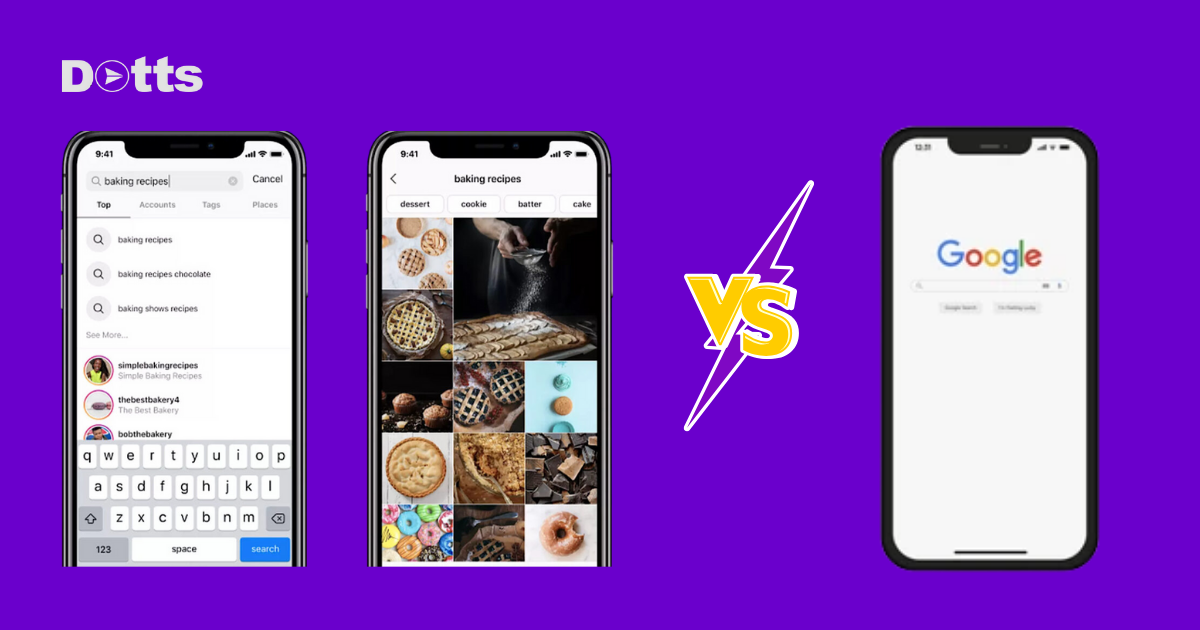
A lot has changed in the general search engine space. They have evolved beyond the traditional vein of websites and browser engines, and many businesses are yet to recognise social media search engines as the new norm.
The old way of using websites and browser engines has shifted, a transition many businesses haven’t fully recognised. When 41% of Gen Z searches for information or brands, they no longer instinctively open Google. Instead, they open TikTok, Instagram, or YouTube. According to new research from Sprout Social, social media has become the primary source Gen Z uses to search for information, surpassing traditional search engines.
This social media search engine trend goes beyond generational preference and is becoming a real market structure. Social media as a search engine is one of the most significant shifts in how people use the internet in the past decade. Crucially, this shift has particular implications for African businesses working in mobile-first markets, where social platforms often act as the primary internet gateways.
Your customers are already searching on TikTok, Instagram, and Facebook. The question is whether your brand appears when they search. You must ensure your content ranks well within platform algorithms, and that you have strategically optimised your presence for discovery outside of regular Google SEO. This article explains how businesses across Africa can use social media SEO tips and platform-specific plans [strategies] to be seen [achieve visibility] where audiences actually search.
This article explores how businesses across Africa can leverage social media SEO tips and platform-specific strategies to achieve visibility where audiences actually search, and effectively navigate social search vs Google conversations.
Why Social Media Has Become a Search Engine
The transition from platforms used for social entertainment to systems for searching required specific technical and user behaviour changes. Mobile consumption patterns were the main cause of this change. In 2025, 62.54% of web searches occurred on mobile devices (excluding tablets), a major increase from 48.91% in 2019.
This mobile dominance creates the foundation for people to start using social search vs Google as a consideration point. When users spend an average of 2.5 hours scrolling through social media on mobile devices daily, they get used to finding information inside those apps. Instead of switching to separate search apps, users increasingly search within the platforms where they already spend a lot of time.
Furthermore, personalisation is the second key reason driving social media search engine use. Social platforms build algorithmic feeds based on lots of user information, past actions, followed accounts, and what they engage with. This personalisation of social media search engines gives search results that are more relevant to individual users, different from traditional search engines, which process only keywords and a limited context.
Finally, trust and authenticity are the third major factor. 76% of users report that social content influenced a purchase in the past six months, with this number rising to 90% among Gen Z. This influence on buying shows a deeper trust in advice found on social media recommendations and social media search engines compared to algorithmic Google results. African consumers especially value recommendations from friends, creators, and community feedback within social environments.
Social Search Vs. Google: Understanding the Difference

The difference between social search and Google is beyond superficial; it lies primarily in how their algorithms work.
Algorithm
Google’s search engine analyses keywords, incoming links, and content quality to give results based on assumed user intent. Results are ranked based on website authority signals, link profile, and topical relevance found through text analysis. Google operates on the idea of universal relevance: the same search should ideally give the same results for different users.
On the other hand, social platform search relevance gets determined by the searcher’s individual feed, personal preferences, previous social interactions, and accounts they frequently engage with. Two users entering identical search queries into Instagram or TikTok receive substantially different results reflecting their unique engagement histories. This personalisation makes social search theoretically more relevant to individual preferences but less predictable from an optimisation perspective, especially when comparing social search vs Google approaches.
Type of Content
Content type differences amplify these distinctions. Google’s results remain text-heavy, with gradual integration of videos, images, and maps. Conversely, social media as a search engine delivers results as videos, photos, carousels, GIFs, and interactive content. For African markets where video consumption has accelerated dramatically, this visual-first approach aligns better with actual user behaviour patterns.
Audience Accessibility
Both search engines differ based on ease of use and accessibility. Google is generally simple and globally usable for all age groups and technical skill levels. Conversely, social platforms cater to specific audience demographics through design, content types, and cultural background.
For example, TikTok mainly attracts younger audiences through short videos. Facebook, however, dominates older demographics and remains the leading platform in African active user engagement at 82% participation. LinkedIn targets professional audiences, while Instagram is a mix of millennial and Gen-Z audiences, with visually appealing content.
This focus on specific groups means optimisation plans must consider specific platform and audience fit, along with how each search algorithms work, especially when applying social media SEO tips.
Platform-Specific Social Media Search Optimisation Strategies
TikTok represents the most sophisticated social media search engine currently operating, unlike Instagram’s emerging keyword search or Facebook’s primarily hashtag-based discovery.
TikTok’s search function accounts for every word available when determining video relevance. Optimising for TikTok requires social media SEO tips integrated across six distinct keyword placement areas: in-video text overlays, captions, hashtags, profile descriptions, on-screen graphics, and audio elements. Speakers should naturally include target keywords within video narration.
Instagram’s search capabilities have evolved substantially, now enabling users to discover content through keyword searches beyond simple hashtag browsing.
Instagram’s discovery engine scans captions, on-screen text, and even alt text as factors in content surfacing. Optimisation requires mixing clear, descriptive captions with strategically curated hashtags, combining trending options, niche-specific tags, and broader categorical tags. Unlike TikTok’s reliance on comprehensive keyword integration, Instagram rewards engagement signals, such as saves, shares, and comments function as algorithmic indicators signalling content worth circulating.
YouTube search operates through title, description, tags, and spoken/closed captions. YouTube titles carry particular weight for search algorithm determination, while descriptions support visibility and suggested video placement. In addition, YouTube Shorts, the platform’s short-form video feature, requires keyword-rich titles and descriptions since titles represent the only copy visible in the Shorts Shelf.
Facebook’s search remains primarily hashtag-focused but increasingly incorporates video content discovery. For African businesses where Facebook maintains the highest active user engagement percentages, the pages require keyword-optimised descriptions, category selections, and regular engagement to maximise discoverability.
The African Context: Why Social Search Matters Now
Africa’s social media landscape presents unique conditions, making social search optimisation particularly critical.
Approximately 384 million Africans use social media out of 5.17 billion global users, representing a huge and rapidly growing search audience.
TikTok has become one of the fastest-growing social media platforms on the continent, with 60% active user engagement in major markets, second only to Facebook’s 82% engagement rate.
Mobile-first consumption patterns dominate African internet usage more comprehensively than global averages. Most African internet users access social platforms primarily through mobile devices, with limited use of computers. This mobile concentration means optimising for mobile social search represents optimising for primary audience access patterns rather than secondary considerations.
Social commerce integration has accelerated across African platforms. Digital advertising in South Africa is expected to reach 63.6% of total advertising spend by 2027, demonstrating shifting investment toward social channels. Brands establishing strong social search visibility capture both awareness and direct commerce opportunities simultaneously.
African consumers, in particular, value peer recommendations and endorsements from creators within social environments. This cultural preference for community-mediated information discovery makes social search particularly effective.
Unlike Western markets, where Google still maintains search dominance, African audiences demonstrate a stronger orientation toward social discovery, creating structural advantages for businesses optimising for social media as a search engine.
Looking Forward: Redefining Digital Visibility in Africa
Digital visibility has shifted as audiences increasingly search on social platforms, making the traditional focus on Google obsolete. Forward-thinking African businesses must optimise for both Google and social search, recognising them as parallel ecosystems for comprehensive visibility.
DottsMediaHouse helps brands integrate these strategies, positioning social media as the primary discovery infrastructure, not as supplementary platforms. Success demands strategic keyword research, platform-specific optimisation, content formatting, and audience engagement.
Your customers are searching on social media now, so implement comprehensive social SEO to ensure they find your brand. Contact us to get started!