

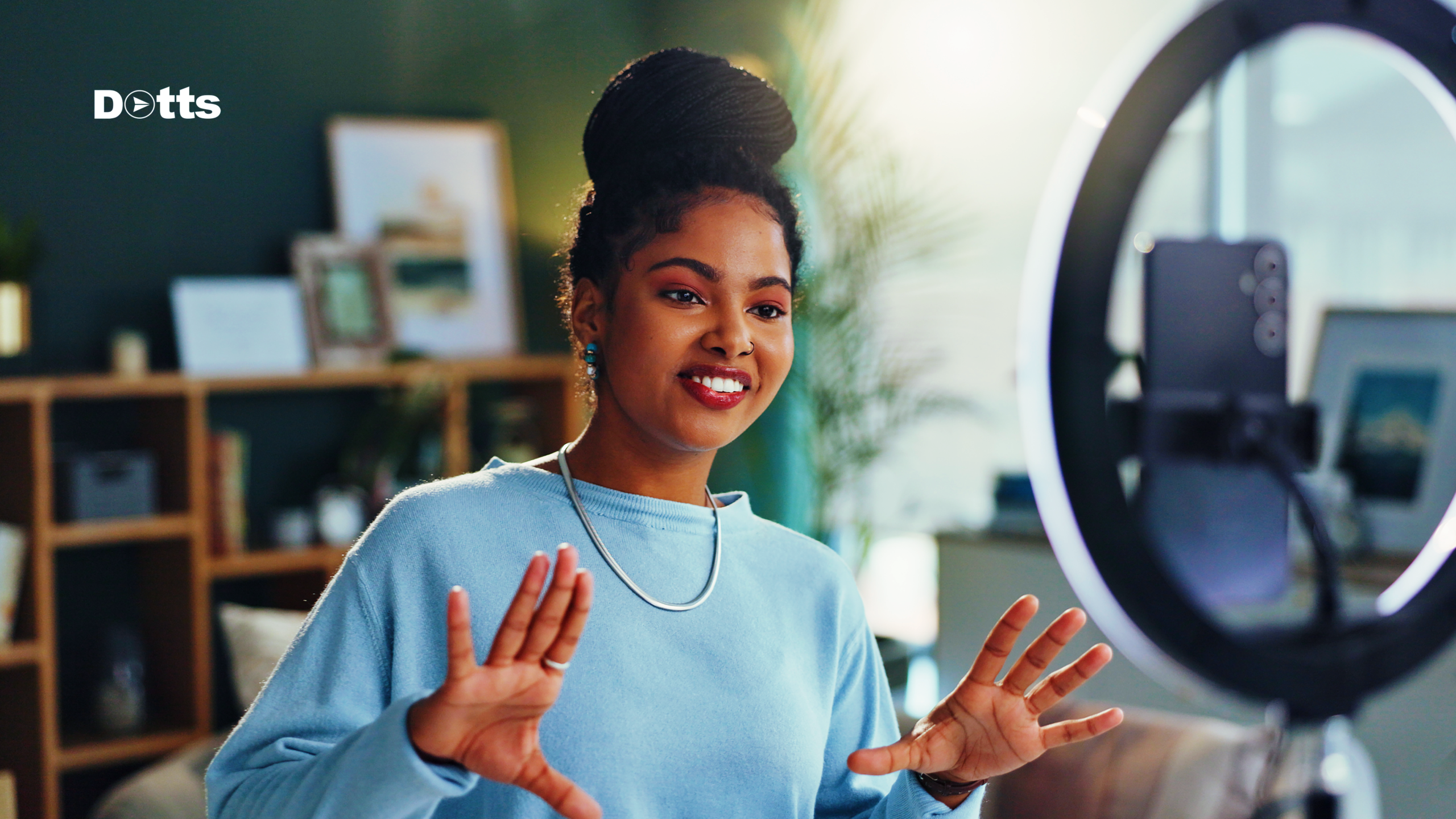
Nigerian born Content Creator and Influencer, Ifedayo Agoro accumulated over one million followers on Instagram through authenticity and engagement. But she understood something critical that separates successful creators from cautious ones: Instagram could disappear tomorrow, but her personality would remain.
In 2020, she launched Dang Lifestyle, a skincare brand leveraging her audience’s trust. Today, the brand has sold over 400,000 units across Nigeria, the United States, and Europe.
Her success reflects a fundamental shift in African creator economics: the most valuable asset is not followers but personality. Yet countless content creators remain trapped within single platforms, treating app algorithms as their permanent home. This article explores why platform dependency represents the greatest vulnerability facing influencers today and why personality-driven creators are reshaping African entrepreneurship.
The Platform Trap: Why Algorithms Cannot Build Lasting Loyalty
Platforms operate with a singular logic: maximise engagement on their infrastructure. They introduce algorithm changes, prioritise certain content formats, and shift monetisation structures without creator input.
TikTok experienced a 17.2% decline in brand investment in 2025 due to regulatory uncertainty, forcing creators dependent on that platform to scramble for alternatives. Instagram regularly adjusts what content reaches followers. YouTube modifies partnership requirements. Creators building entire livelihoods on platform mechanics face genuine existential risk.
This vulnerability affects African creators particularly acutely. Platform monetisation rates in Africa remain substantially below Western equivalents, meaning Instagram or TikTok alone cannot sustain creator income at competitive levels. A creator with 500,000 Instagram followers might earn $200 monthly from platform monetisation, insufficient for a professional livelihood. This reality forced African creators to innovate. Rather than accepting platform dependence, successful creators build direct relationships with audiences independent of any single app.
The shift reflects maturity in creator thinking. Platforms are distribution channels, not destinations. They are tools facilitating audience connection, but not owning that connection.
TikTok engagement rates reach 15.04% for smaller accounts compared to Instagram’s 2.05% average, yet even TikTok cannot guarantee tomorrow’s opportunity. Smart creators treat platforms as temporary advantages rather than permanent moats.
The Personality Advantage: Building Beyond Platforms
Personality represents something platforms cannot algorithmically replicate or suddenly remove.
The most successful African creators earn 47% of their income from digital products rather than brand deals, demonstrating income diversification that protects against platform vulnerability. These creators built audiences, then built businesses around those audiences.
The distinction matters strategically. An influencer depends on platform goodwill and algorithm behaviour. A personality-driven creator owns direct audience relationships through email lists, subscriptions, communities, and owned media. Justin UG, the Nigerian skitmaker with a massive Instagram presence, recognised this dynamic. Rather than accepting content creation as terminal employment, he launched Memora, a meme discovery platform. His personality attracted the initial audience; his business model transformed that audience into sustainable revenue.
African creators increasingly leverage tools like Selar for direct monetisation, reducing dependence on platform payouts. This shift represents fundamental business evolution. The creator economy’s next phase rewards founders more than influencers. Personality is the engine; platforms are merely distribution channels for personality-driven businesses.
From Influencer to Founder: The Evolution Pattern
The trajectory from influencer to founder follows consistent patterns across African content creators. First comes audience building through authentic content. Then comes initial monetisation through platform payouts and brand partnerships. This phase feels successful but contains hidden vulnerability. Creators become comfortable and complacent. Then comes the awakening: platform behaviour changes, monetisation rates decline, or algorithm shifts reduce visibility. Successful creators respond by building around personality rather than platforms.
Aproko Group exemplifies this evolution, launching multiple consumer-facing brands, including Awadoc (health), AwaWell (wellness), and AwaStore (e-commerce). The group’s founder leveraged personality and audience trust to expand across verticals. This represents creator economy maturity: using content as business infrastructure rather than a finished product.
African creators report that brand ambassadorships require ongoing relationships and consistent engagement, generating stronger long-term loyalty than one-off influencer partnerships. The emerging model positions creators as entrepreneurs building multi-brand companies rather than influencers promoting individual products. Personality becomes the shared asset across all ventures.
Strategic Guidance for Brands Navigating Creator Partnerships
From DottsMediaHouse’s perspective, the distinction between platform-dependent influencers and personality-driven creators should fundamentally shape partnership strategy.
Research shows that 44% of brands prefer nano-influencers and 26% prefer micro-influencers over macro-influencers or celebrities, suggesting partnership quality matters more than scale. This preference rewards creators who have built personality-driven audiences rather than platform-dependent followers.
Brands seeking sustainable ROI should prioritise creators demonstrating business thinking alongside content excellence. Has this creator launched products? Built communities beyond social platforms? Demonstrated direct audience monetisation? These indicators signal personality-driven creators likely to maintain relevance regardless of platform changes. Conversely, creators entirely dependent on platform mechanics represent riskier investments vulnerable to algorithmic disruption.
The most sophisticated creators now negotiate differently. Rather than accepting brand deals as primary revenue, they propose ambassador relationships or equity partnerships in jointly developed products. This shift reflects confidence in personality value transcending platform value. Brands recognising this shift position themselves as partners in creator entrepreneurship rather than mere clients purchasing content.
Conclusion
The future of creator economy success belongs to personalities building businesses, not influencers building followings.
African creators are reshaping what entrepreneurship means, moving beyond audience monetisation into founder-led ventures. Brands seeking sustainable partnerships should invest in creators demonstrating business acumen alongside content excellence. Personalities compound; platforms fade. DottsMediaHouse helps brands identify and partner with creator-founders who will remain relevant long after any individual platform declines. The question is no longer which platform an influencer dominates, but what business that personality is building.