

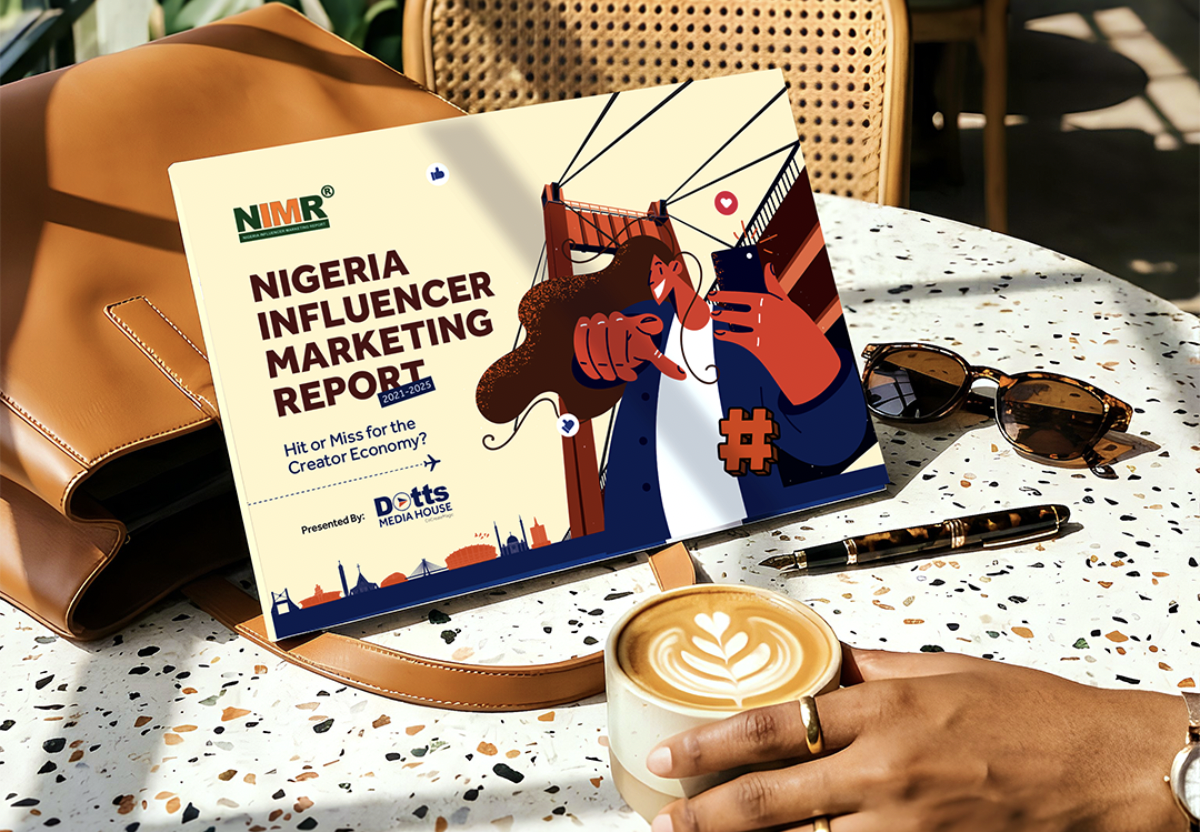
In this exclusive interview, Tiwalola “TJ Dotts” Olanubi (Founder/CEO of DottsMediaHouse) shares the agency’s vision behind the NIMR, its growth over the years to becoming Nigeria’s most comprehensive resource for brands, influencers, agencies, and investors.
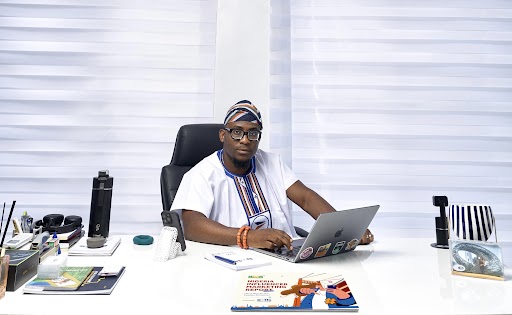
Q: The last edition of NIMR was published in 2020. What was the reason for its return at this time?
Tiwalola: That’s a great question because the timing of this 4th NIMR release was very intentional.
Between 2021 and 2025, the influencer marketing industry in Nigeria and across Africa experienced its most transformative period yet. We moved from an experimental phase, where brands were simply testing influencer collaborations, into a far more structured and data-driven ecosystem. During those years, several shifts happened simultaneously, including the rise of new platforms like TikTok, the monetization for creators, the entry of a record high number of brands into the space, and the evolution of influencer campaigns into measurable marketing channels.
It became important not to rush those shifts into an annual report. Rather than releasing fragmented yearly updates, we decided to observe the market over a longer cycle and then return with this comprehensive analysis of how the industry has evolved. In many ways, this report marks the point where the Nigerian influencer marketing industry matures from an emerging space to a structured ecosystem.
Q: For those unfamiliar with NIMR’s history, walk us through what the report is and why it became “the industry bible” for Nigerian influencer marketing.
Tiwalola: When we launched the first edition of NIMR, the industry lacked reliable data and source. Even though brands/agencies were already investing & engaging in influencer marketing and creators were growing rapidly, nobody had any reliable source (s) to credible & structured data about this marketing craft. There were no benchmarks for pricing, no clear understanding of platform performance, and very little data about how brands were allocating budgets.
So, DottsMediaHouse, being the pioneer digital agency of Influencer Marketing in Nigeria, and having delivered 80% of the brand x influencer collaborations since 2014, it was sacrosanct for us to fill this gap and publish the official resource aimed at reporting these challenges, insights & projections. And since its first release in 2019, The NIMR provides a credible, industry-wide snapshot of how influencer marketing works in Nigeria, including market size, platform trends, creator tiers, campaign pricing, and emerging opportunities. More importantly, it has helped legitimise influencer marketing as a critical part of the marketing mix, not only a social media trend.
Q: The 4th edition shows the market grew in billions between 2021 to 2025. That’s extraordinary growth. What’s driving this explosion?
Tiwalola: Several forces converged simultaneously to produce those growing numbers, and it is important to understand them.
The first driver is the increasing innovation of smartphones and internet penetration. Between 2021 and 2025, Nigeria’s digitally connected population grew significantly, and the demographics of that growth are young, mobile, and social-media-native. Brands looking to stay ahead had to align, making influencer marketing a crucial attention economy play.
Another factor is the democratisation of content creation, which expanded the creator pool by a large percentage, according to our research. Now, CEOs, business owners, and professionals create content as a direct-to-consumer distribution channel. The rise in emerging content creators has made the ecosystem more competitive, which in turn has attracted more brand investment.
Q: One of the most striking findings is TikTok’s rise to 34% market share with a 9.2% median engagement rate, compared to Instagram’s 2.0%. What does this platform shift mean for brands and creators?
Tiwalola: The rise of TikTok represents a fundamental shift in how content is discovered and consumed. Historically, platforms like Instagram relied heavily on follower networks. Your reach was often tied to how many people followed you. But TikTok changed that dynamic with an algorithm that prioritises entertainment value over follower count. This means that a creator with a small audience can still achieve massive reach if their content resonates.
For brands, this creates both an opportunity and a challenge. The opportunity is that campaigns can achieve viral reach faster than ever before, while the challenge is that content must now be more authentic, creative, and culturally relevant to succeed, as opposed to the usual polished branded content.
For creators, TikTok has democratized influence, lowering the barrier to entry and allowing new voices to emerge very quickly. What we are seeing now is a multi-platform strategy where TikTok drives discovery, Instagram reinforces brand presence, and YouTube supports deeper storytelling. The future of influencer marketing will belong to creators and brands who understand how to build narratives across platforms.
Q: One surprising insight in the report is the dominance of smaller creators. Can you explain that dynamic?
Tiwalola: Yes, and it’s one of the most interesting developments the creator industry has experienced since 2021. Our research shows that nano and micro influencers make up the majority of the creator ecosystem. These creators may have smaller audiences, but they often have very strong relationships with their followers. In many cases, their audiences see them as relatable peers rather than celebrities, which creates higher trust and stronger engagement.
For brands, this means that smaller creators can be extremely effective for niche targeting. A beauty brand, for example, might work with several nano & micro creators, helping them deliver consistent results with a relatively smaller marketing budget. However, this does not mean mega influencers are losing relevance. They still play an important role in driving mass awareness. What we are seeing instead is a layered strategy where brands combine mega influencers for reach and micro creators for authenticity, consistent engagement & conversion. This hybrid model is becoming the new standard for influencer marketing campaigns.
Q: Despite the growth, the report highlights several challenges in the industry. What are the biggest barriers to wider adoption?
Tiwalola: The biggest challenge remains accurate measurement and trust. Many brands still struggle to quantify the ROI from influencer campaigns. Traditional marketing metrics do not always capture the full value of influence, especially when the impact happens over time.
Another challenge is the issue of fraud and fake engagement, which has historically created scepticism among brands. There are also operational challenges. Managing dozens or even hundreds of creators across a campaign can be complex without the right systems in place.
However, the industry is making progress, with verification tools, improved analytics platforms, and more structured campaign management processes that are helping to address these concerns. So, the key to wider adoption will be continued investment in data transparency, performance metrics, collaborations with key agencies and industry standards.
Q: Speaking of ambassador collaboration, the report identifies a major shift from one-off Influencer posts to long-term brand ambassadorships. Why is this happening, and what does it mean for brands, agencies, and influencers?
Tiwalola: The shift toward ambassador partnerships reflects a deeper understanding of how influence actually works. One-off posts often generate short bursts of attention, but they rarely deliver exponential conversion. Consumers are becoming more discerning, and they can easily recognise when a partnership is purely transactional.
On the other hand, long-term ambassador relationships create continuity and credibility. When a creator consistently works with a brand, their audience begins to associate that creator with the brand’s identity.
So, for brands, this leads to stronger recall and deeper trust, while for influencers, it provides stability and the opportunity to build long-term partnerships rather than chasing one-off campaigns. On the other hand, for agencies like DottsMedia, it allows us to develop more strategic, integrated storytelling over time instead of managing multiple one-off posts.
This model ultimately benefits everyone in the ecosystem because it prioritises authentic relationships over short-term visibility.
Q: The report’s Future Outlook projects the market reaching ₦102.7 to ₦112.4 billion by 2030, with 18–20% annual growth. What are the conditions that must be met for that projection to be realised, and what could derail it?
Tiwalola: First, we need stronger measurement frameworks. Brands must be able to track performance more accurately through tools like unique links, affiliate systems, and campaign analytics.
In addition, we need industry standards and policy frameworks that promote transparency in paid partnerships. This will build trust among brands, regulators, and consumers. Also, social platforms like X, Instagram, TikTok, and YouTube must match the level of monetization creators enjoy in the West with our creators in Nigeria
Finally, there is a need for continued professionalism on the part of creators. As creators evolve into media entrepreneurs, the quality of campaigns will improve and attract larger marketing budgets.
However, there are also risks. If fraudulent acts and fake engagement remain unchecked, brand confidence could decline. Also, economic downturns have a strong effect on marketing budgets across industries.
But overall, the trajectory is very clear. The creator economy is becoming a permanent part of the marketing landscape, as influencers position themselves as cultural intermediaries between brands and consumers. In the years ahead, this role will only become more powerful.
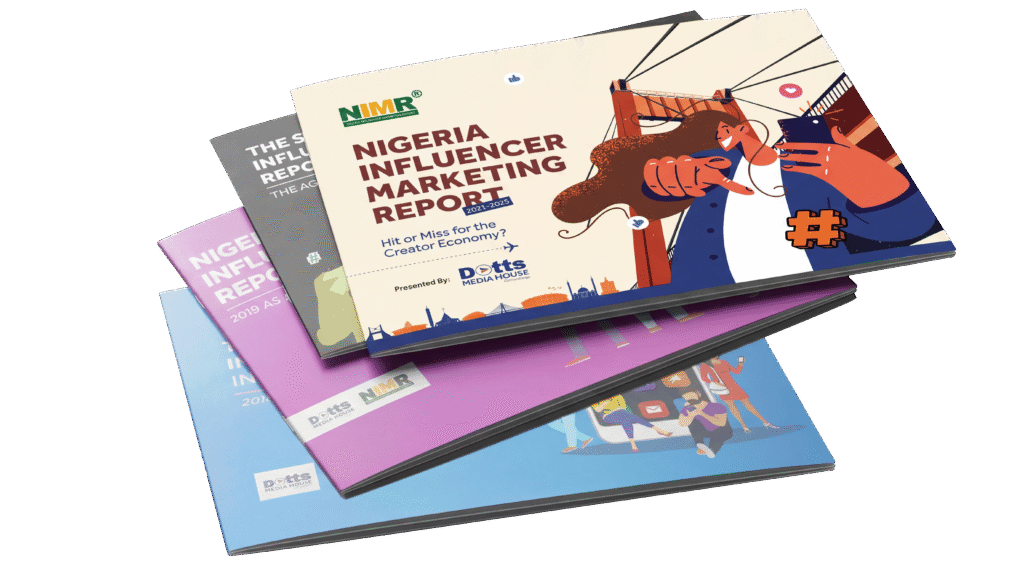
DottsMediaHouse, Africa’s leading 360 media firm, has officially launched the 4th Edition of the Nigeria Influencer Marketing Report (NIMR), the country’s most comprehensive industry research dedicated to the creator economy.
Since its launch in 2019, the report has been created to provide brands, creators, agencies, and investors with credible data on the evolving influencer marketing landscape. Through this initiative, DottsMediaHouse has become a key voice shaping conversations around the creator economy in Nigeria and across Africa.
Founded by Tiwalola Olanubi (TJ Dotts), DottsMediaHouse has played a significant role in shaping Nigeria’s influencer marketing ecosystem and was involved in over 50% of influencer marketing campaigns in Nigeria during its early years. Beyond the agency, Tiwalola has built platforms such as Trendupp Africa, which celebrates and supports digital creators through the Trendupp Awards, Trendupp Africa Magazine, and other creator-focused initiatives.
With the release of the 4th edition of the Nigeria Influencer Marketing Report, the company provided deeper insights into the creator economy between 2021 and 2025, revealing how influencer marketing in Nigeria has evolved into a structured, data-driven industry.
Download the full report here: https://dottsmediahouse.com/nimr/