

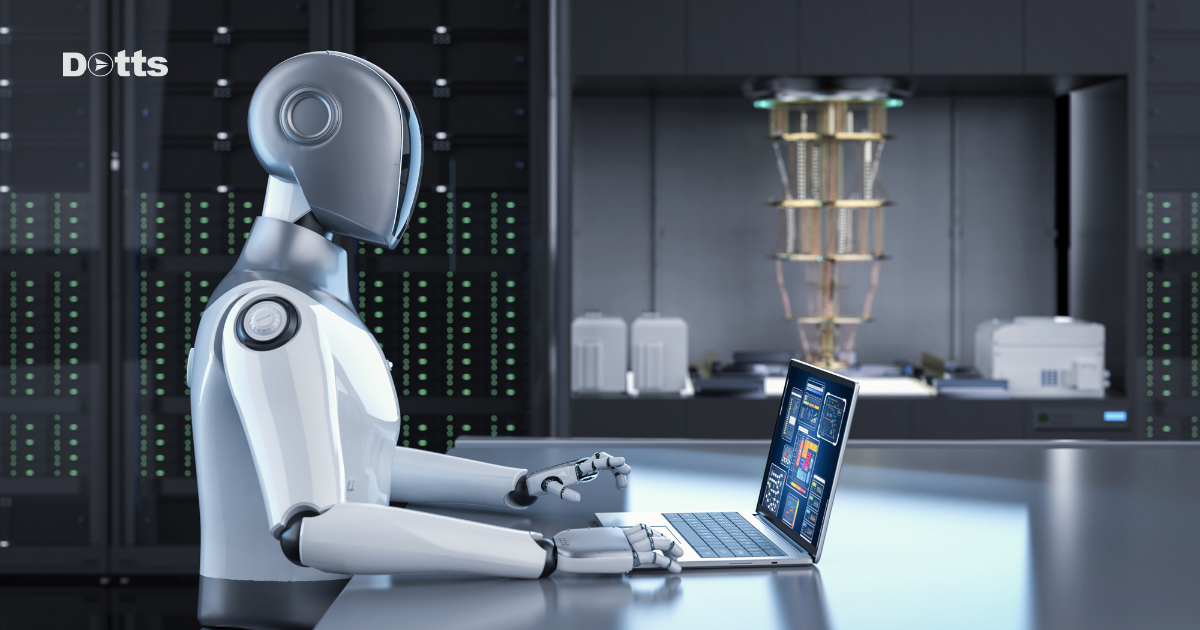
The great AI panic started around 2023. Marketing agencies trembled. Copywriters questioned their careers. Designers updated their portfolios. Everyone whispered the same fear: “AI is coming for creative jobs.”
The narrative seemed inevitable, almost biblical. But here we are in late 2025, and something unexpected happened. The panic did not materialise. Instead, something far more interesting occurred, which is how AI exposed the difference between lazy work and genuine creativity. The creatives still thriving are not the ones who panicked. They are the ones who understood something fundamental: AI will not replace creative people—it will replace lazy ones.
The Fear Narrative: Why Everyone Panicked
The concern seemed rational. AI tools could generate copy in seconds, produce images from text descriptions, and create music compositions automatically. These capabilities appeared to replicate exactly what creative professionals offered.
If a machine could do it faster and cheaper, what happened to the marketers, designers, and writers who built careers around these skills? The logic seemed airtight.
Forbes research warned that if machines substitute creative individuals, the commercial viability of human creativity diminishes, potentially leading to reduced compensation for artists and fewer opportunities in creative fields. This threat felt immediate and real. Job displacement fears triggered defensive positioning across creative industries. Industry organisations issued warnings. Unions demanded protection. Schools reevaluated creative curricula.
Yet the fear overlooked something crucial. The jobs AI actually replaced were not the ones requiring genuine creativity. They were the ones requiring only competent execution of existing formulas. A marketer churning out template-based copy without strategic thinking faced redundancy. A designer applying trend-based aesthetics without deeper conceptual reasoning became vulnerable.
AI did not kill creativity. It killed the illusion that competent template-following qualified as creative work.
What Actually Happened: AI Exposed Lazy Craft
The fundamental distinction separating thriving creators from those struggling becomes obvious in hindsight.

Recent research indicates that 74% of creatives say AI is improving their efficiency while empowering them to explore deeper creative pursuits. This statistic reveals the real story: AI did not damage genuine creativity. It eliminated the tedious components, preventing true creative work.
According to Adobe’s Vice President Deepa Subramaniam, AI alleviates the monotony of content distribution, allowing creatives to focus on developing strategic concepts rather than managing routine production. This insight captures the transformation precisely.
A copywriter previously spending hours editing and formatting campaigns now uses AI to handle routine tasks, dedicating time to strategic messaging development. A designer who once managed endless repetitive variations now leverages AI for iteration, concentrating on conceptual innovation. A marketer previously overwhelmed by content production demands now focuses on audience understanding and strategic positioning.
What AI actually replaced was lazy craft work that followed established patterns without pushing boundaries. A brand posting generic, template-driven Instagram content saw engagement collapse as AI-powered alternatives flooded feeds. A designer applying predictable trend-based aesthetics lost clients to more innovative competitors. A marketer creating unmemorable email campaigns discovered audiences ignored them.
These creators were not replaced by AI. Instead, they were replaced by creators who understood how to leverage AI as a collaborative tool while maintaining an authentic creative vision.
The uncomfortable truth: many creative professionals were never truly creative. They were competent executors following established formulas. They produced work that satisfied requirements without pushing craft boundaries. AI exposed this distinction dramatically.
Quality Craft Survived and Thrived
The creative professionals thriving today share consistent characteristics. They view AI as a tool amplifying their capabilities rather than a threat replacing them.
According to data, at least 69% of creative leaders believe generative AI is boosting their teams’ creativity, with 97% comfortable with AI integration into their workflows. This enthusiasm reflects realised advantage, not blind optimism.
Rebecca Osei, a Ghanaian jewellery designer, illustrates this evolution perfectly:
Rather than AI replacing her craft, she uses AI market analysis tools to understand global trends, discovering surprising opportunities like Scandinavian demand for African-inspired pieces that her manual research never would have revealed. Her creativity remains central. AI simply expanded her market understanding, enabling more informed creative decisions.
African entrepreneurs increasingly use AI market intelligence to analyse consumer sentiment, identify untapped opportunities, track competitors, and forecast demand patterns across different regions. These tools do not replace strategic marketing thinking. They accelerate the information gathering, enabling strategic thinking. Creatives using this approach produce work grounded in deeper insight than previously possible.
Michelle Nkamankeng, a South African software developer, used AI tools to turn her local app into a global success, entering five new markets in eight months while reducing customer acquisition costs by 60%. Her product development and market strategy remained distinctly human. AI simply accelerated execution.
The pattern repeats across African creative industries. Nigerian copywriters using AI to handle content drafting now spend time developing brand strategies that elevate entire campaigns. Kenyan video producers leveraging AI for initial edits dedicate creative energy to storytelling and narrative innovation. South African designers employing AI for repetitive design variations concentrate on conceptual breakthroughs. In each case, AI eliminated drudgery while preserving the cognitive space where genuine creativity lives.
The Skill That AI Cannot Replicate
The capabilities AI cannot match define the creative work that survives and thrives. Strategic vision remains fundamentally human. AI can generate options. Humans must select which options matter and why.
Cultural fluency represents another irreplaceable human capability. African creators possess an embedded understanding of local humour, cultural references, community dynamics, and generational sensibilities that foreign AI systems cannot authentically reproduce. A Nigerian marketer understanding Lagos culture creates memes and campaigns resonating with an authentic local perspective. AI cannot manufacture this understanding. It can only assist creators possessing it.
This distinction matters enormously for African brands competing globally. When an American AI system generates a “funny” social media post for Nigerian audiences, it typically misses cultural nuance entirely. When a Nigerian creative leveraging AI tools develops that same content, it lands. The difference lies entirely in human cultural competence. AI amplifies that competence; it cannot replace it.
Emotional intelligence and intuitive judgment separate genuinely creative work from competent execution.
According to research, divergent thinking has declined significantly among people over-relying on AI assistance, but humans who deliberately cultivate creative thinking continue to develop increasingly sophisticated capabilities. The choice is binary: creatives can surrender creative thinking to AI, or they can leverage AI while deliberately strengthening their own creative muscles.
The creatives winning today make the second choice consciously. They use AI to accelerate routine work. Simultaneously, they dedicate intentional effort to developing deeper creative capabilities. They read widely. They consume culture obsessively. They study how audiences think and feel. They practice conceptual development. They push boundaries deliberately.
This investment differentiates thriving creatives from those discovering that AI has eliminated their marketability. The uncomfortable reality: if your creative work can be replicated by a machine, your creative work was never particularly creative. It was a competent execution of established patterns.
The African Advantage in the AI Era
African creatives possess particular advantages in navigating this transformation.
African innovators are designing AI systems reflecting their own languages, business realities, and infrastructure, shifting from consumption to creation of AI systems themselves. This transition from adopter to architect positions African creators advantageously.
Recent sector studies show AI adoption and supporting digital infrastructure are expanding rapidly across Africa, with McKinsey estimating that at-scale generative AI deployment could deliver US$61bn–US$103bn of annual economic value across the continent. This economic expansion creates enormous opportunities for creatives to understand how to leverage AI within African market contexts.
African creatives who combine authentic cultural fluency with deliberate AI adoption position themselves as global competitors. They possess cultural depth that international competitors cannot replicate, amplified by AI-powered efficiency and market intelligence. This combination represents an extraordinary competitive advantage.
A Kenyan brand strategist using AI market analysis to understand global trends while maintaining deep Nairobi cultural fluency becomes invaluable. A Lagos copywriter leveraging AI for content generation speed while maintaining a distinctly Nigerian voice becomes irreplaceable. A South African designer combining AI iteration capabilities with authentic design sensibility grounded in local context wins consistently.
Conclusion: AI Did Not Kill Creativity
The story of AI and creativity is not about machine replacement but about sorting. AI sorted creatives into two categories: those who understood craft as strategic, cultural, and emotionally intelligent work, and those who understood it as competent formula application. The future belongs to creatives who view AI as expanding their scope rather than threatening it.
AI did not kill creativity. It simply revealed that lazy craft was never creativity in the first place.
DottsMediaHouse helps African brands and creators navigate this transformation strategically, developing genuine creative capabilities while leveraging AI as an amplification tool. The question is not whether you will use AI, but whether you will use AI while maintaining the creative depth that machines can never replicate.