

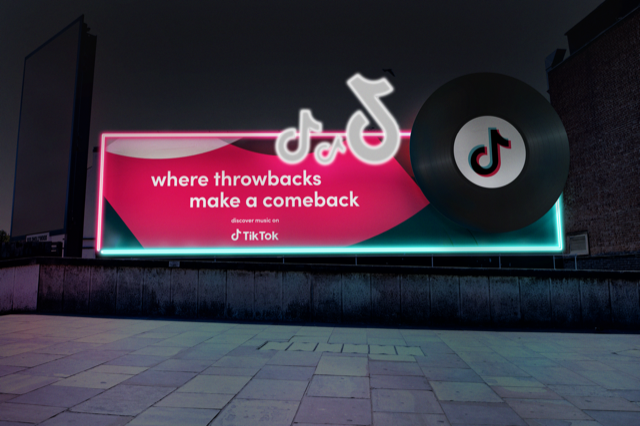
Kunmie walked into his home studio in Lagos with 200 followers on TikTok. Months later, he walked out of Grammy conversations. His track “Arike” had become the second most-viral song on Spotify’s global viral chart, with his TikTok following exploding to over 200,000. He represents something fundamental that has shifted in how African music reaches the world; the traditional gatekeepers no longer control the gates. TikTok has become the modern billboard, and African artists are learning to paint on it in ways that resonate across continents. This trend is not metaphorical. It is measurable, repeatable, and reshaping the entire African music marketing industry’s understanding of what success looks like.
Ten years after Nigerian artist Skales released “Shake Body” in 2015, the song suddenly trended across social media platforms in a way that defied conventional music industry logic. What triggered the revival? Footballer Lamine Yamal dancing to it on TikTok. Similarly, “Gwo Gwo Ngwo” became a viral sensation after Nigerian comedian BrainJotter created a hilarious dance video on the same platform. These are not isolated incidents. They represent the new reality of music marketing in Africa. A song no longer needs a major label push, a radio partnership, or traditional promotional machinery. It needs to find the right fifteen-second moment, the right sound, the right dance, on TikTok.
The Algorithm Revolution: Why TikTok Fundamentally Rewired Music Discovery
Understanding TikTok’s dominance requires grasping what makes it structurally different from Instagram, YouTube, or Twitter. While those platforms prioritise what you already follow, TikTok operates on a fundamentally different principle: discovery through algorithmic interest mapping. Every video you watch teaches TikTok more about your preferences. The platform does not care who created the content; it cares whether you will engage with it. This distinction has profound implications for emerging African artists.
Traditional platforms built music features as secondary additions to social networking. Instagram added music. YouTube added music. TikTok was architected around sound. Every single video on the platform has an audio element, and users can instantly explore additional content created using that same audio. This design choice transformed music discovery from passive consumption into participatory culture. When a song gains traction on TikTok, it does not just accrue streams; it becomes the foundation for millions of subsequent videos. Users do not just listen to the track; they remix it, dance to it, create transitions using it, and narrate their lives over it.
According to research from Techpoint Africa, TikTok’s algorithm thrives on discovery principles that push emerging artists’ content to users with matching interests rather than requiring followers to know the creator already. A song snippet, sometimes just a few seconds long, can become the soundtrack for millions of videos. In addition, a no-name artist with 500 followers can achieve the same algorithmic amplification as established musicians if the content matches user interest patterns sufficiently. This represents a genuine democratisation of music marketing opportunities in ways previous platforms never achieved.
Afrobeats and Amapiano: The Sounds Engineered for TikTok Virality
The rise of Afrobeats and Amapiano on TikTok represents more than genre success; it reflects a profound alignment between African musical characteristics and platform mechanics. These genres possess inherent qualities that feed TikTok’s viral ecosystem: energetic rhythms, catchy melodic hooks, and immediate danceability. Amapiano, the jazz- and piano-infused sound originating in South Africa, exemplifies this perfectly. The genre’s structured yet infectious beats make it ideal for dance challenges, transitions, and creative remixing, the core currencies of TikTok engagement.
Tyla, a South African artist, experienced this phenomenon directly. Starting as a TikTok creator, she released “Water,” an amapiano-influenced track that exploded globally through user-generated content on the platform. Without major label machinery or traditional radio promotion, her song crossed cultural and linguistic boundaries. Global audiences who might not understand her lyrics connected with the rhythm, the vibe, the energy. The track’s success on TikTok translated directly into mainstream recognition, ultimately earning her Grammy consideration. This trajectory represents a completely new paradigm.
According to market data, Nigeria hosts 34 million monthly active TikTok users, with the country ranking second globally in engagement levels. Egypt leads African TikTok adoption with 37 million users, while South Africa follows with 17 million.
These numbers translate into audience sizes previously impossible for African artists to access without international label support. Afrobeats, originally an exclusively African sound, now ranks among TikTok’s most-consumed global genres. The platform has transformed what was considered a regional music style into an essential component of modern global pop culture.
The Gen Z Effect: Young People Weaponising Music for Cultural Moments
TikTok’s user base skews overwhelmingly young. This demographic composition creates a fundamentally different relationship with music compared to previous generations. Gen Z users do not passively consume music; they actively weaponise it for cultural moments. Every trending song becomes a vehicle for creative expression, identity construction, and community participation. When a track gains Gen Z momentum on TikTok, it does not just accumulate streams; it achieves cultural embedding.

Dance challenges exemplify this phenomenon. When a song launches with an associated dance trend, millions of young people globally participate in creating their own interpretations. Each dance video serves as promotional material, simultaneously engaging the creator, their followers, and the platform’s algorithm. By one calculation, a single popular dance challenge can generate tens of millions of video iterations across the platform.
The remix and transition culture on TikTok also amplifies this effect. Users add their own creative flair to songs, sometimes accelerating tempos, altering beats, or layering unexpected sound elements. These edits often attract more engagement than the original audio. A slow, contemplative track might be remixed with a faster-paced beat by creative users, suddenly triggering interest from audiences who would have overlooked the original. This user-generated remix culture represents genuine innovation in music marketing, where the audience itself becomes the innovation engine.
Artists like Rema, Ayra Starr, Odumodu Blvck, and Fido have explicitly credited TikTok with enabling their breakthrough moments. Ugandan artist Azawi and Ghanaian star Black Sheriff have similarly attributed career acceleration to TikTok’s algorithmic amplification. These are not exceptional cases; they represent a consistent pattern emerging across the African music landscape.
From Clips to Charts: Translating Viral Moments into Success
The question that initially concerned music industry observers was whether TikTok virality translated into meaningful streaming metrics. The data now provides definitive answers.
CKay’s “Love Nwantiti” and Rema’s “Calm Down” both achieved viral liftoff through TikTok user-generated content before dominating global streaming charts. The pipeline from TikTok viral moment to streaming success has become predictably reliable.
TikTok provides what Gideon Akhigbe, CEO of Soundmac, a musictech startup focused on African artists, describes as the elimination of traditional gatekeepers’ financial requirements. “It would cost thousands, if not millions of dollars, to boost a particular song through traditional channels, but TikTok is bridging that gap,” Akhigbe explains.
This positioning transcends music marketing into cultural shift territory.
Community Building Beyond Streams: The Artist-Fan Relationship Revolution
While streaming metrics capture algorithmic success, TikTok’s deeper impact lies in how it enables direct artist-fan relationships previously impossible at scale. Artists use TikTok to share backstage content, engage with followers in real-time conversations, and cultivate loyal communities disconnected from traditional industry infrastructure. This direct linkage creates authenticity that translates into a lasting career foundation rather than momentary viral spikes.
Adebiyi Deola, Digital Marketing Manager at Mavin Records, describes this dynamic: “TikTok is very young-leaning, and when you have young people in the picture, it is a different game because young people have the power to shape what happens in the next couple of years.” This observation extends beyond demographic observation into structural industry reality. Gen Z users are not passive consumers awaiting industry curation; they are active culture-makers determining what achieves mainstream recognition.
The platform encourages participation in ways traditional media never enabled. Artists can create duets, respond to fan videos, participate in trends, and engage audiences through participatory formats rather than broadcast-only communication.
Tools and Analytics: TikTok for Artists
Recognising TikTok’s centrality to African music’s future, the platform launched TikTok for Artists in Nigeria in mid-2025, providing artists, record labels, and management teams with detailed performance analytics. The platform delivers daily dashboard updates tracking music performance metrics, audience demographics, engagement patterns, and fan interactions. Artists access completion rates, share statistics, comment volumes, and detailed follower breakdowns by age, gender, and language.
Beyond analytics, TikTok for Artists includes Pre-Release features enabling musicians to run campaigns for upcoming albums and facilitate pre-saves on Spotify and Apple Music. Educational materials guide artists in leveraging platform tools while supporting long-term career planning.
This tooling represents recognition that African artists require data-driven insights for strategic decision-making.
The Future: TikTok as Permanent Industry Infrastructure
TikTok is now essential infrastructure in the African music industry, serving as the main platform for talent discovery, new sound validation, and global recognition. PwC’s 2025-2029 outlook notes its increasing integration with platforms like Instagram, boosting fan engagement and monetisation.
Furthermore, this influence extends to production, marketing, and consumption. Producers like @paul_cleverlee create tracks for TikTok’s virality, artists’ time releases for trends, and marketers prioritise TikTok for user acquisition.
The challenge for African music marketing in 2025 is to navigate these algorithmic incentives and shifts in trend while maintaining authentic creative voices and artistic integrity.
TikTok is the present reality reshaping the industry, and DottsMediaHouse guides Music professionals and brands through this landscape with our uniquely crafted strategies and hacks to achieve measurable success. Let us connect!