Physical Address
304 North Cardinal St.
Dorchester Center, MA 02124
Physical Address
304 North Cardinal St.
Dorchester Center, MA 02124

Welcome back!
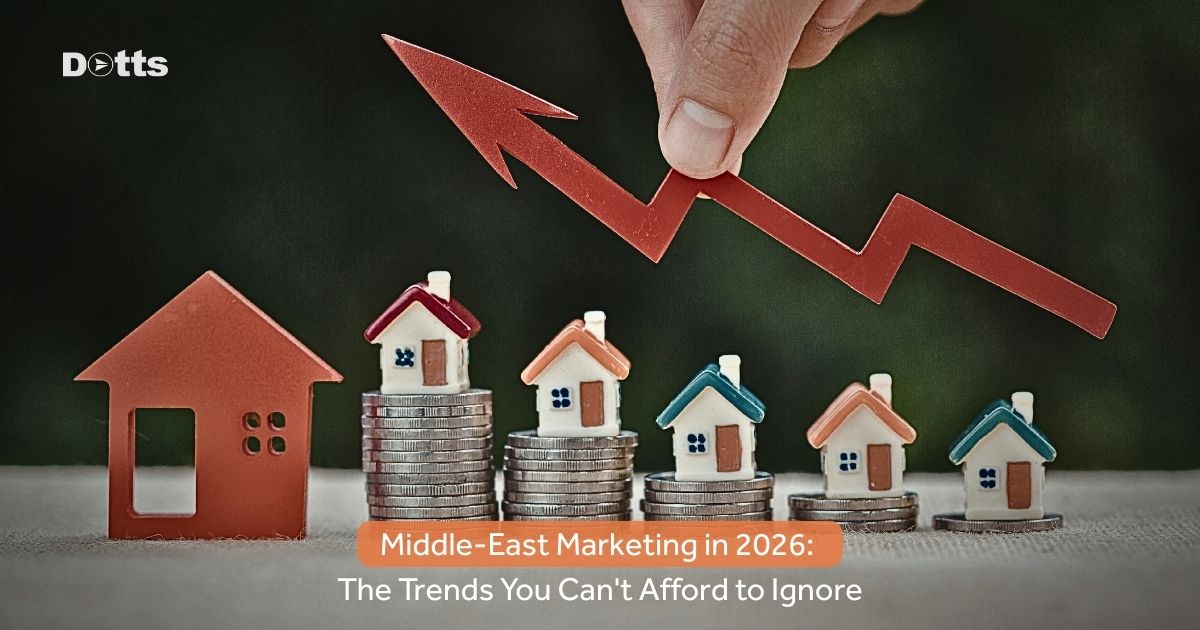
We are barely into 2026, and if you are feeling like the ground beneath your marketing strategy is shifting, you are not imagining it. The game is constantly changing. What worked in 2024 feels almost quaint today, and what is working now might be obsolete by Q3. 2025 saw the dominance of Generative AI, and how it assisted brands to perform better market research and competitor analysis, leading to smarter decisions.
The Middle-East market has always been unique as it is a testing ground for innovation and a region where consumers expect nothing short of excellence.
Drawing from global marketing intelligence and emerging patterns specific to the UAE and broader Middle East region, we have identified the critical trends that will define your marketing success in 2026.
Whether you are a CMO at a regional brand or a startup founder trying to break through the noise, understanding these shifts will separate you from struggling businesses later in the year.
Now, let’s get right into it!
Let’s start with the biggest shift: you are no longer just marketing to people. You are also marketing to the algorithms that guide them.
Think about the last time you scrolled past page one on Google search results? Your customers in Dubai and the rest of the Middle East aren’t doing that either. They are asking ChatGPT for recommendations, trusting Google’s AI Overviews, and letting an AI shopping assistant guide their purchases. According to recent industry analysis, AI-powered search and discovery tools are fundamentally changing how brands gain visibility and do business.
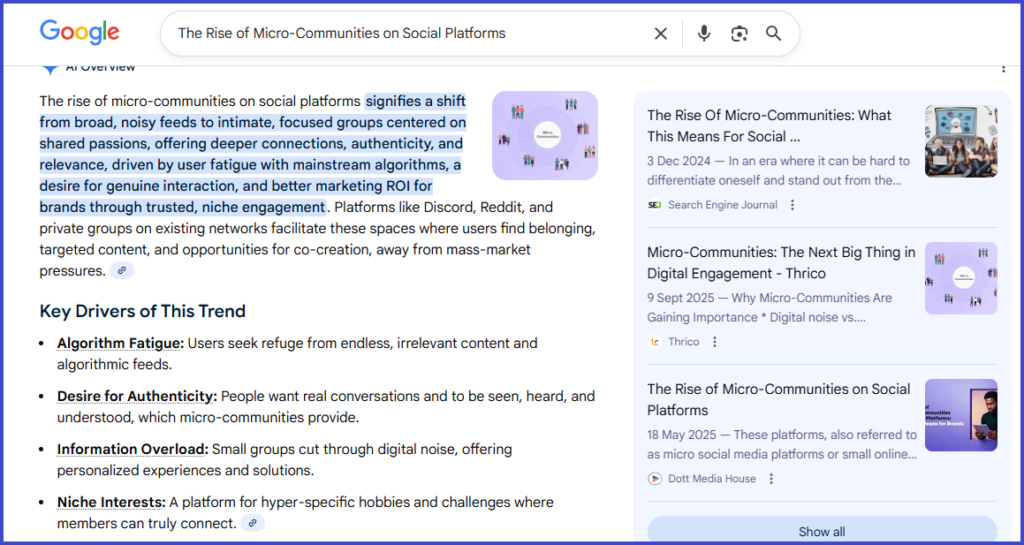
What does this mean for you? Your SEO strategy needs an upgrade. We have entered the era of “Generative Engine Optimisation” or GEO. And it is no longer enough to rank on page one anymore; you need to be the source that AI systems cite, summarise, and recommend. This means:
For Middle East brands, this is particularly crucial. With a tech-savvy population that adopts new tools faster than most markets, your customers are already using AI agents. Can they find you?
We know that this one will surprise you. After years of “digital first,” consumers are craving real-world experiences. Recent research shows 76% of people connect more deeply with brands through in-person retail. And in the Middle East, where Malls aren’t just shopping centres but social destinations and experiential retail, this trend is amplifying.
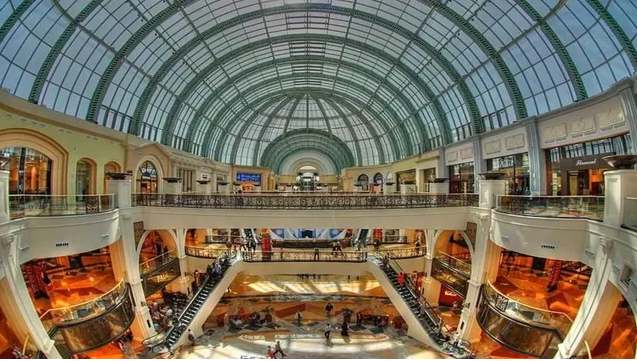
Gen Z and Millennials, who make up a significant portion of the UAE’s population, are driving what industry experts call “retail tourism.” They’re not just buying products; they’re seeking Instagram-worthy moments, hands-on product trials, and sensory-rich brand activations.
Smart brands are responding by creating:
Your e-commerce strategy is important, but if you neglect your physical presence in 2026, you will miss out on a massive opportunity to build emotional connections with Middle East consumers who have countless retail options at their doorstep.
One of the things we often advise our clients is that instead of marketing to “Dubai residents,” start marketing to plant-based enthusiasts in Jumeirah, luxury car lovers in Abu Dhabi, or sustainable fashion advocates in Sharjah. The future is now hyper-targeted micro-communities where one perfectly crafted message reaches exactly the right person.
This places micro-influencers at a win because with 5,000 engaged followers in a specific UAE niche, the marketing campaign will most often deliver better ROI than using a celebrity with millions.
The strategy here is simple:
As generative AI makes it absurdly easy to create content, we are approaching what industry leaders call “AI content saturation.” Brand can now produce dozens of blog posts, social media captions, and ad copies in minutes, making every marketing communication look the same.
This is where authenticity becomes your competitive advantage. Middle East consumers, already sceptical of inauthentic marketing, are gravitating toward brands that feel unmistakably human.
This means:
Consider brands like Careem, which built loyalty not through polished campaigns but through understanding local culture and genuine community engagement. That’s a sure model for 2026.
If you are still planning in silos—separate budgets for email, disconnected social teams, isolated paid strategies—you are using a 2020 playbook in 2026.
Industry research shows that brands are shifting from channel-level thinking to fully connected marketing ecosystems. With privacy limitations reducing granular tracking, a unified measurement that reflects the entire customer journey is essential.
For Middle East marketers juggling diverse channels across emirates and segments, integration is the key to efficiency. When affiliate marketing, paid social, content, and email share consistent messaging and aligned metrics, you unlock growth that silos strategy can’t deliver.
The Middle East marketing landscape in 2026 demands balance, which includes embracing AI and modern technology while doubling down on human authenticity. Therefore, optimise for algorithms while creating tangible experiences. Also, think globally while acting locally within micro-communities.
The brands that thrive are not necessarily those with the biggest budgets; they are the ones that stay agile, maintain strategic clarity amid chaos, and never forget that behind every AI agent, data point, and digital interaction is a human being seeking genuine connection.
These trends have already taken full effect.
Are you ready to adapt?
If you are looking to cut through the noise, build authentic connections, and drive measurable growth in the Middle East market in 2026, let’s connect today!
We are always committed to helping your brand not just survive but excel in 2026’s dynamic marketing environment. Because in a market as competitive as the Middle East, standing still means falling behind.
If you also find this blog post valuable, kindly share it with your contacts.