Physical Address
304 North Cardinal St.
Dorchester Center, MA 02124
Physical Address
304 North Cardinal St.
Dorchester Center, MA 02124

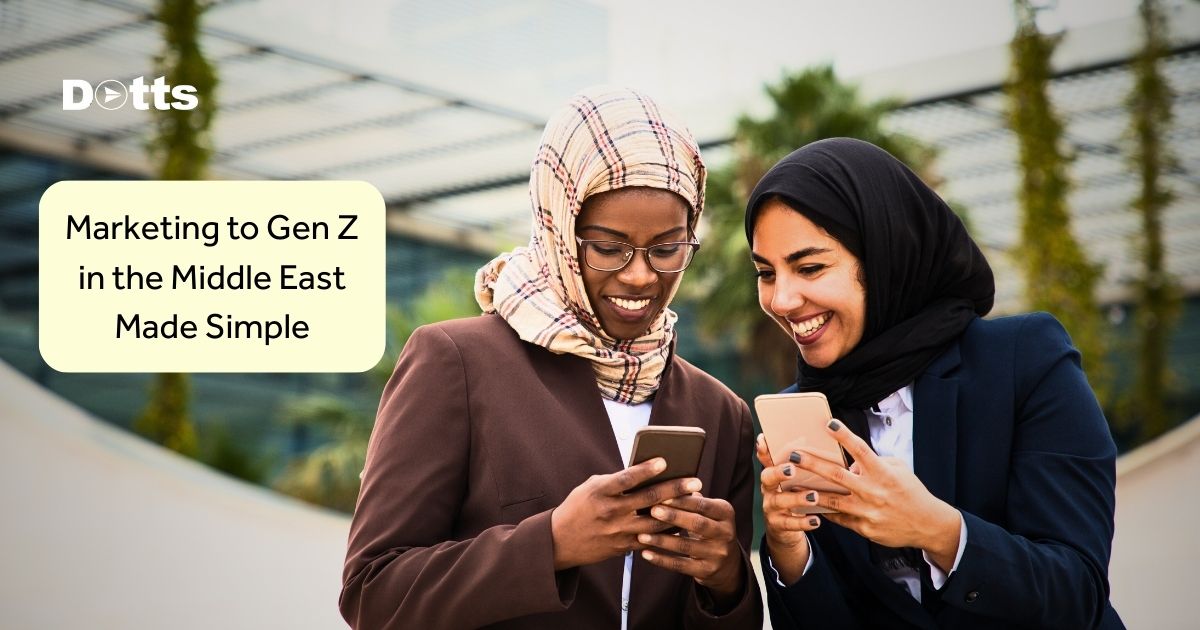
If your brand has yet to figure out how to connect with Gen Z in the Middle East, you are already behind. This is not just another demographic to tick off your marketing checklist; it requires a complete mindset shift. With Gen Z making up nearly a quarter of the region’s population and wielding unprecedented digital influence, understanding how to reach them is a skill worthy of mastering.
We have watched many brands stumble in this space, relying on outdated playbooks that worked for Millennials but fall flat with Gen Z.
But the good news is that once you understand what makes the people of this generation tick, marketing and connecting with them becomes rewarding.
Gen Z, born between 1997 and 2012, are true digital natives who has never known life without smartphones or social media. They represent 23.9% of Egypt’s population, 22.1% in Saudi Arabia, and 15.8% in the UAE. That is millions of digitally-native consumers whose spending power is projected to reach $12 trillion globally by 2030. In the Middle East specifically, this generation is more educated, digitally connected, and globally engaged than any before it.
But here’s what makes them different: only 6% of Gen Zs say their primary career goal is to reach a senior leadership position. They’re rewriting the rules of success, prioritising financial stability, personal purpose, and mental well-being over traditional corporate ladders. This mindset shift fundamentally changes how they interact with brands.
Don’t make the mistake of viewing Gen Z as “future consumers.” They are decision-makers right now, with 19% already in decision-making roles at work. Also, they are influencing household purchases, making B2B decisions, and driving market trends across the Middle East.
Gen Z possesses the ability to detect inauthenticity. They see through influencers and brands who are not genuine and are unlikely to engage or purchase from them. Having grown up with consuming organic and paid content constantly, they have developed filters for spotting genuine and relatable content.
Moreover, 73% of Gen Z in MENA factor a brand’s ethics into their buying decisions, according to IBM x TikTok research. For them, every purchase is a vote for values.
Here’s everything your brand needs to know to win this generation.
Gen Z prioritises authenticity and a genuine connection with the brands they support, with purchase decisions heavily influenced by peer recommendations and user-generated content. This means your carefully scripted brand videos or graphics might perform less than raw, unfiltered content from actual customers.
In the Middle East context, authenticity takes on additional dimensions. The new generation of influencers who skillfully infuse their content with a deep appreciation of their culture sets them apart and makes them highly sought-after figures. Brands that successfully blend local cultural appreciation with global trends create the sweet spot that resonates.
Actionable steps for authentic marketing to Gen Z:
Influencer marketing is critical when marketing to Gen Z, but not the way you might think.
Micro-influencers with between 10,000 and 100,000 followers are seeing a rapid increase in popularity due to their higher engagement rates and more niche audiences. In the Middle East specifically, these smaller creators often outperform celebrities because they feel accessible and trustworthy.
Think about it from Gen Z’s perspective. Would you trust a recommendation from someone who feels like a friend, or from a distant celebrity endorsing their 47th product this month? The answer is obvious.
Middle Eastern consumers tend to trust local influencers who share their daily life, family moments, or personal experiences more than international celebrities promoting products disconnected from the audience’s lived reality.
When marketing to Gen Z in the Middle East, platform selection is everything.
WhatsApp leads with 83.10% of users in Saudi Arabia, followed by Instagram at 72.70%, TikTok at 71.80%, and Snapchat at 70.50%. But each platform serves different purposes in Gen Z’s digital ecosystem.
The mistake brands make is treating these as separate channels requiring completely different content. Smart marketing to Gen Z recognises these platforms as an interconnected ecosystem where your brand narrative flows seamlessly across touchpoints.
Gen Z’s sharing activity is massive through private chats, DMs, and close friends lists. Therefore, content that feels personal and relatable spreads fast within their circles.
Here is some of the content that you can create to capture their attention, whether static or videos.
Remember, Gen Z resonates with content that feels participatory, personal, and purposeful; something they can create with, interact with, and share as part of their identity
Perhaps the biggest shift in marketing to Gen Z is the integration of commerce directly into social platforms.
According to a Statista report, 54% of Gen Z favour social media over online search as their primary method for discovering new products. Additionally, 64% of Gen Z and Millennials have purchased through social media in the past years.
This means your marketing strategy and sales strategy can no longer be separate entities. The path from discovery to purchase needs to be frictionless, happening entirely within the platforms where Gen Z already spends their time.
Implement social commerce by:
Marketing to Gen Z requires more than surface-level corporate social responsibility. Younger generations are value-driven, expecting brands to develop narratives that represent their own values and beliefs. In the Middle East, this takes on particular significance as Gen Z navigates between tradition and progressive change.
The key is consistency. Consumers are no longer buying the “one-and-done” donation post. They want receipts and roadmaps. Therefore, your brand’s values need to show up across every touchpoint, from product sourcing to packaging to how you treat employees. In short, when necessary, be transparent about your journey, including challenges and setbacks
Marketing to Gen Z in the Middle East is about understanding fundamental shifts in how this generation discovers, evaluates, and engages with brands.
They seek authenticity, respect, and value that goes beyond transactions and perfection. Brands that embrace this mindset, genuinely integrate Gen Z voices into their teams, and commit to continuous evolution will thrive.
Gen Z in the Middle East represents not just current purchasing power, but decades of brand loyalty ahead. The brands that get this right now will build relationships that extend far beyond single transactions; they will become part of Gen Z’s identity and daily lives.
We have seen it happen. Brands that embrace authenticity, leverage the right influencer partnerships, master platform-specific content, and align their actions with Gen Z values become the brands this generation champions.
Are you ready to transform your marketing to Gen Z approach? Let’s guide you through what works in 2026.